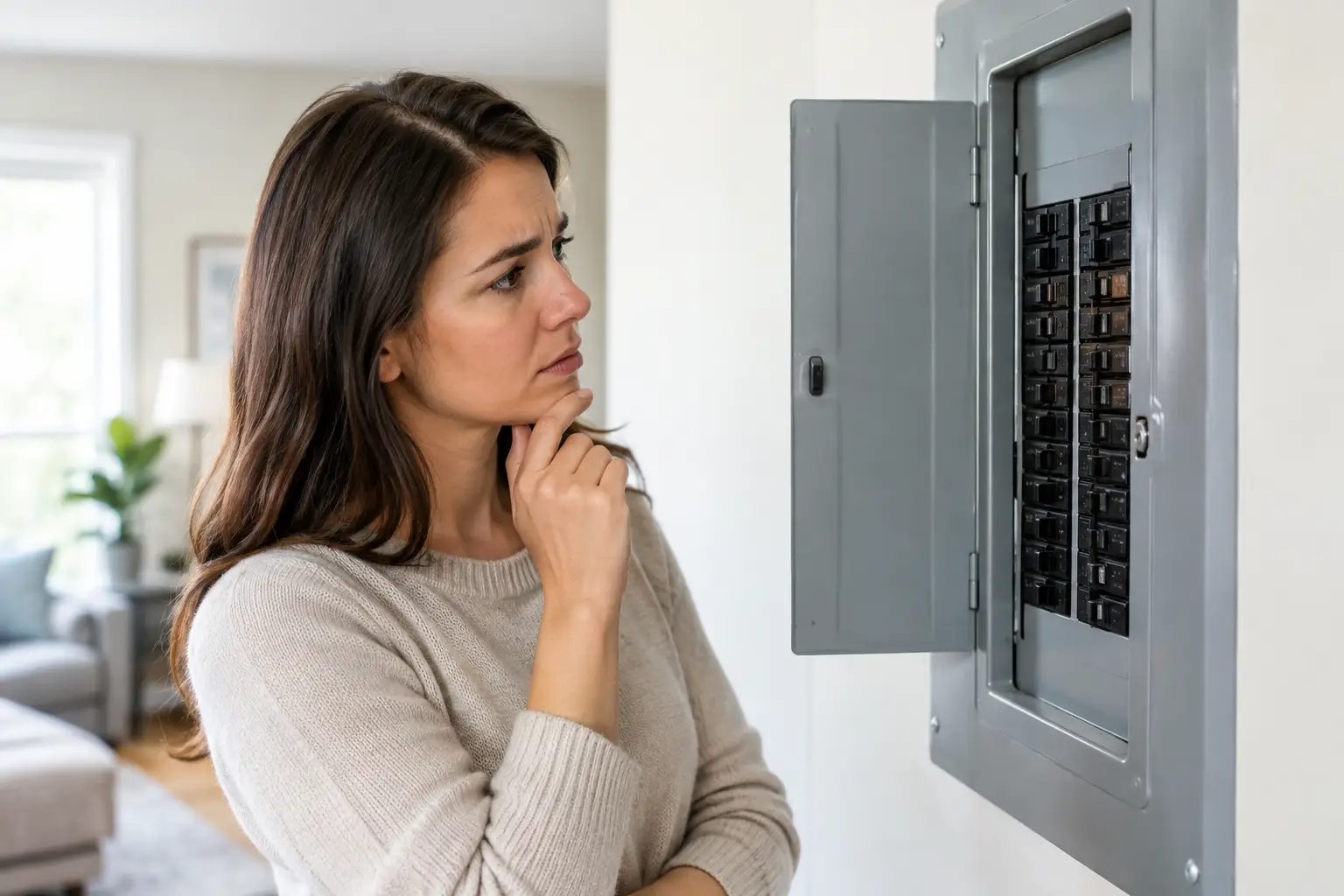
A light that flickers once may be annoying. A light that flickers every time the microwave starts, paired with a warm outlet or a burning smell, is a different kind of message. The top signs of electrical faults are often visible, audible, or easy to feel before they become a larger safety issue. You do not need to diagnose the wiring yourself. You just need to recognize when your home is asking for qualified help.
Electrical problems can range from a loose connection to overloaded circuits, damaged wiring, failing outlets, or an appliance issue. The cause matters, but your next step matters more: avoid risky DIY fixes, reduce immediate hazards, and bring in a trusted local electrician when warning signs point to the system behind the wall.
Why Small Electrical Changes Deserve Attention
Your electrical system works quietly until something interrupts the flow of power. That interruption can show up as heat, noise, inconsistent performance, or a protective breaker shutting down. Some issues are minor and isolated. Others can create shock or fire risks if they are ignored.
The tricky part is that many symptoms overlap. A tripping breaker might mean one overloaded power strip. It could also signal a short circuit, a damaged appliance, or a circuit that no longer meets how your household uses the space. Treat repeated changes as useful information, not something to work around.
Top Signs of Electrical Faults to Watch For
Breakers trip repeatedly
A circuit breaker is designed to cut power when it detects too much current or an unsafe condition. One trip after running a space heater, hair dryer, and curling iron on the same bathroom circuit may simply mean the circuit was overloaded. Resetting it once after unplugging a few items can be reasonable.
But repeated trips are not normal. If the same breaker turns off with everyday use, trips immediately after a reset, or affects outlets that are not heavily loaded, stop resetting it. The breaker may be doing its job by protecting you from a fault that needs professional inspection.
Lights flicker, dim, or brighten unexpectedly
A single loose bulb can flicker. Replace the bulb first, especially if the issue is limited to one fixture. If several lights dim when a major appliance starts, the circuit may be carrying more than it should. If lights brighten noticeably or flicker throughout multiple rooms, the concern can be more serious.
Changes affecting more than one circuit may point to a loose electrical connection or a problem with the incoming service. Call an electrician promptly, particularly if the behavior is sudden or getting worse. If neighbors are experiencing the same problem, contact your utility company as well.
Outlets or switches feel warm
Outlets and switches should not feel hot. A little warmth from an in-use dimmer switch can happen, depending on the type and load, but a hot faceplate, discolored cover, or outlet that feels warm when nothing is plugged in deserves attention.
Do not keep testing it with your hand. Unplug connected devices if it is safe to do so, avoid using the outlet, and arrange an inspection. Heat can indicate a loose wire, overloaded connection, worn outlet, or another fault hidden behind the wall.
You smell burning or see scorch marks
A sharp burning odor near an outlet, switch, electrical panel, or appliance is an urgent warning. So are brown marks, melted plastic, smoke, buzzing paired with heat, or a visible spark. These are not wait-and-see symptoms.
If you can do so safely, turn off power at the breaker for the affected area. Do not touch damaged equipment, spray water near electrical components, or plug anything back in to see whether it works. Leave the home and call emergency services if there is smoke, fire, or an immediate danger. Otherwise, contact a qualified electrician as soon as possible.
Outlets are loose, dead, or make crackling sounds
A plug that falls out of an outlet, a faceplate that shifts, or crackling when you insert a plug can signal wear or loose internal connections. A dead outlet may be as simple as a tripped GFCI outlet in a nearby bathroom, kitchen, garage, laundry area, or exterior location. Pressing the reset button on the appropriate GFCI can restore power.
If it will not reset, trips again, or the outlet is loose or noisy, stop there. Do not remove the cover plate or push the plug at an angle to make it fit. The fix may involve the outlet, the circuit, or moisture protection in the area.
You get tingling or mild shocks
A tingle when touching an appliance, metal fixture, faucet, or outlet is never a harmless quirk. It may indicate improper grounding, damaged wiring, or a faulty appliance. Even a mild sensation can become dangerous under the wrong conditions, especially around water.
Stop using the device or outlet. Keep hands dry, do not stand on a wet floor, and avoid touching exposed metal parts. If the sensation occurs with more than one appliance or location, treat it as a whole-home electrical concern rather than an appliance-only problem.
Buzzing, humming, or popping comes from electrical equipment
Some devices naturally make a low operating sound. A new or persistent buzz from an outlet, light switch, breaker panel, or fixture is different, especially when paired with flickering, warmth, or a burning smell. Popping noises can indicate arcing, where electricity jumps across a gap instead of flowing through its intended path.
Turn off and avoid using the affected circuit if you can identify it safely. Electrical sounds should be investigated, not covered up with louder music or a new faceplate.
Power strips and extension cords have become permanent wiring
Extension cords are for temporary use. When one cord runs under a rug, across a doorway, or feeds several high-demand items every day, it can hide an overload, create damage from foot traffic, and increase fire risk. Daisy-chaining power strips is another clear warning that the room may not have enough outlets for the way it is used.
This does not always mean your entire system is faulty. It does mean the current setup needs a safer plan. An electrician can assess circuit capacity and recommend properly installed outlets or dedicated circuits where needed.
When to Act Now and When to Schedule Help
Call for urgent help when you notice burning odors, smoke, sparks, melted plastic, a hot panel, repeated breaker trips, or shocks and tingling. If there is an active fire or immediate threat, get out and call 911. Do not attempt to investigate a panel or wiring issue while the danger is active.
For less urgent symptoms, such as one unreliable outlet or lights that occasionally flicker, schedule an electrician before the issue becomes your normal. Take note of what was running when it happened, which rooms were affected, and whether a breaker tripped. A clear photo of scorch marks, a loose outlet, or the breaker panel label can also help explain what you are seeing. Never photograph exposed wiring or get close to a damaged panel.
If you are not sure whether the issue calls for an electrician, that is exactly where a photo-first service path can remove the guesswork. With Ono-Fix, you can submit a photo of the visible problem and move toward the right trusted local pro without trying to translate a concerning symptom into trade language.
A Safer Way to Respond at Home
Do not cover warning signs with quick fixes. Avoid replacing a breaker with a larger one, using tape on damaged cords, forcing plugs into loose outlets, or repeatedly resetting a tripped breaker. Those actions can bypass the protections designed to limit harm.
Instead, stop using the affected outlet, appliance, or circuit when practical. Keep children and pets away from damaged areas. Use battery-powered lighting if a circuit is shut off, rather than relying on extension cords from another room. Then let a qualified electrician identify the cause and make the repair to code.
Your home should not make you second-guess a strange smell, a warm outlet, or a breaker that will not stay on. A quick response can protect your household and turn an uncertain problem into a clear next step.