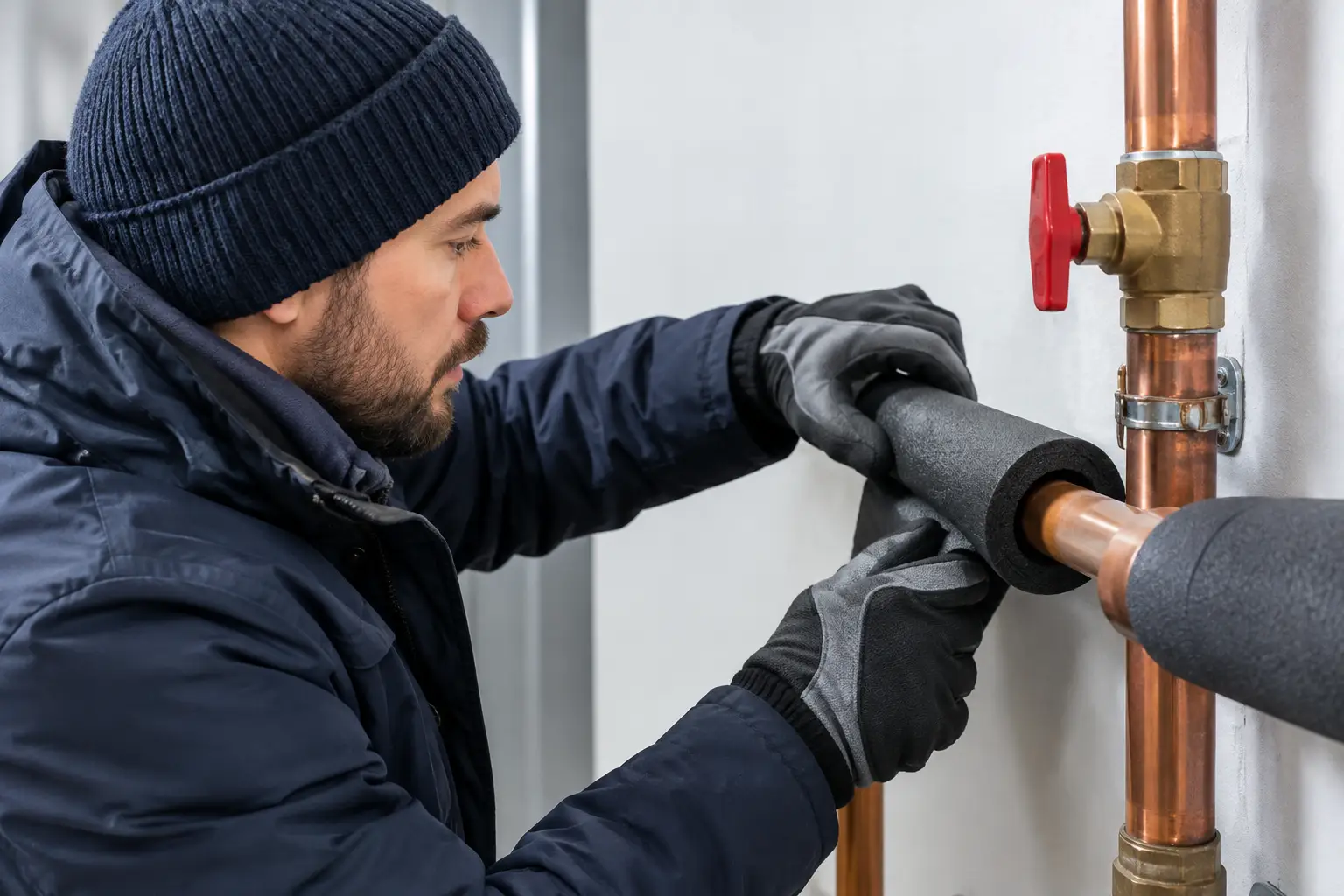
A hard freeze can turn a quiet winter night into a costly plumbing problem by morning. Knowing how to prevent pipe freezing is less about becoming a plumbing expert and more about protecting the parts of your home that lose heat first: exposed pipes, unheated spaces, and plumbing along exterior walls.
The good news is that most frozen-pipe problems are preventable with a few timely steps. Start before temperatures dip below freezing, especially if your home has a crawl space, garage, basement, attic, or older plumbing.
Why pipes freeze in the first place
Water expands as it freezes. Inside a pipe, that expansion creates pressure that can crack the pipe wall or damage a fitting. The break does not always happen where the ice forms, either. A pipe can burst several feet away from the frozen section, making the source of a leak difficult to spot at first.
Pipes are most vulnerable where heat does not reach them consistently. That includes uninsulated crawl spaces, garages, exterior walls, cabinets under sinks, and vacant areas of a property. A sudden temperature drop is risky, but several days of sustained cold can be just as damaging.
Homes in warmer parts of the US can be especially exposed. Their plumbing may not be insulated for extended freezing weather, and homeowners may be less likely to have a winter routine in place.
How to prevent pipe freezing before temperatures drop
Begin with the simplest step: keep your home heated. Set the thermostat to at least 55°F when you are away, even if the property is vacant. Turning the heat down too far can save a little energy while creating a far more expensive repair risk.
Open interior doors so warm air can move through the home. On particularly cold nights, open the cabinet doors beneath kitchen and bathroom sinks that sit against exterior walls. This allows room air to reach the pipes inside the cabinet.
For pipes in unheated or drafty areas, insulation matters. Foam pipe sleeves are an accessible option for exposed hot and cold water lines in basements, garages, crawl spaces, and utility rooms. Insulation slows heat loss, but it is not a substitute for heat in severely cold conditions. If a crawl space is open to outdoor air or a garage is not heated, the surrounding conditions still need attention.
Disconnect and drain garden hoses before freezing weather arrives. Then shut off the water supply to exterior faucets if your home has an indoor shutoff valve for them. Leaving a hose attached can trap water in the outdoor faucet and connected pipe, creating a freeze point inside the wall.
Seal obvious drafts around foundation vents, exterior penetrations, windows near plumbing, and openings where pipes enter the home. The goal is not to block required ventilation without understanding your home’s setup. It is to stop cold air from blowing directly onto vulnerable pipes. If you are unsure whether a vent should remain open, a local plumbing or home-maintenance professional can help assess it.
Use a slow drip strategically
During severe cold, letting a faucet run at a small, steady drip can reduce the chance of freezing. Moving water is less likely to freeze than standing water, and opening the faucet relieves pressure if ice begins to form.
Focus on faucets served by pipes in exterior walls or unheated spaces. Both hot and cold lines can freeze, so set a single-handle faucet to a lukewarm position or allow a small flow from both sides where possible.
A drip does use water, so it is not necessary for every faucet during every winter night. Use it when temperatures are expected to stay below freezing for an extended period, when your home has a history of frozen pipes, or when a pipe is known to run through a cold area.
Do not forget vacant homes and rental properties
An occupied home gives you an early advantage: you may hear unusual sounds, notice weak water flow, or feel cold spots before a pipe bursts. Empty properties need a more deliberate plan.
For a second home, rental unit, or property between tenants, keep the heat on and arrange periodic checks during freezing weather. If the building will be vacant for a long period, ask a plumber about shutting off the main water supply and properly winterizing the plumbing. The right approach depends on the home, local climate, and whether the heating system will remain active.
Property managers should also make winter instructions easy for residents to follow. A short reminder about keeping the heat on, reporting low water pressure, opening sink cabinets, and disconnecting hoses can prevent a maintenance emergency later.
Warning signs a pipe may be freezing
Frozen pipes do not always announce themselves with a dramatic leak. Often, the first sign is reduced water flow from one faucet, especially after a cold night. A faucet that produces no water at all may have a frozen supply line.
Other clues include frost on an exposed pipe, unusual smells from a drain or faucet, banging noises in the plumbing, or a room that feels much colder than the rest of the home. Check exposed pipes carefully, but do not ignore hidden areas. A cold exterior wall behind a sink or a cabinet with no water flow deserves quick attention.
If you see water, damp drywall, a stained ceiling, or pooling near an appliance or fixture, treat it as urgent. A frozen pipe may have already cracked and could begin leaking more heavily as the ice thaws.
What to do if you think a pipe is frozen
First, turn on the affected faucet. If water is not flowing, keep the faucet open. As ice melts, the open faucet gives water a path out and can reduce pressure buildup.
Next, warm the area gradually. Raise the thermostat, open cabinet doors, and use safe household heat sources such as a hair dryer on a low setting, a heating pad, or warm towels around an accessible pipe. Start near the faucet and work toward the suspected frozen section. Never use an open flame, propane torch, charcoal grill, or any device that creates a fire or carbon monoxide risk.
Do not use high heat on a pipe if you do not know where the blockage is or if the pipe is visibly damaged. Plastic pipes can warp, and a hidden crack can turn into a sudden leak as thawing begins. If you cannot safely reach the pipe, water is leaking, or several fixtures have lost water pressure, call a plumber promptly.
If a pipe has burst, shut off the home’s main water supply if you can do so safely. Then turn off power to any affected area if water is near electrical outlets, appliances, or panels. Move valuables away from the water and contact a qualified local professional for plumbing repair and water-damage next steps.
Get the right help without guessing
A frozen pipe can look like a simple low-pressure issue, but the right response depends on where the line runs, whether it has cracked, and how much of the plumbing is affected. You should not have to diagnose that alone.
Take a clear photo of the exposed pipe, frost, moisture, or damaged area if it is safe to do so. With Ono-Fix, one photo can help identify the visible issue and connect you with the right trusted local pro, without sorting through plumbing categories or trying to explain a stressful problem from scratch.
Winter problems move quickly. Protect the pipes you can see, keep your home warm, and act at the first sign that water is not flowing normally. A few minutes of preparation today can keep a cold snap from becoming a flooded-home emergency tomorrow.